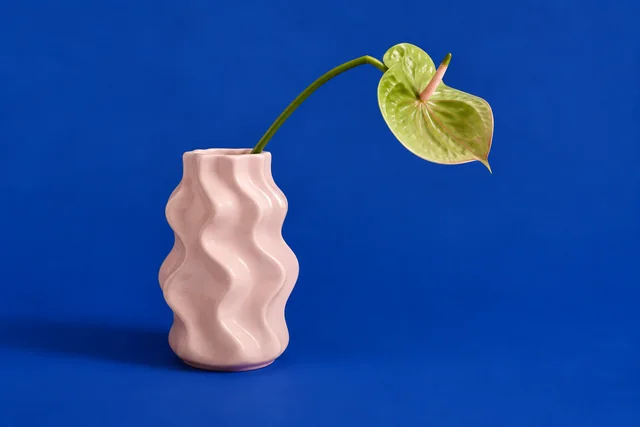
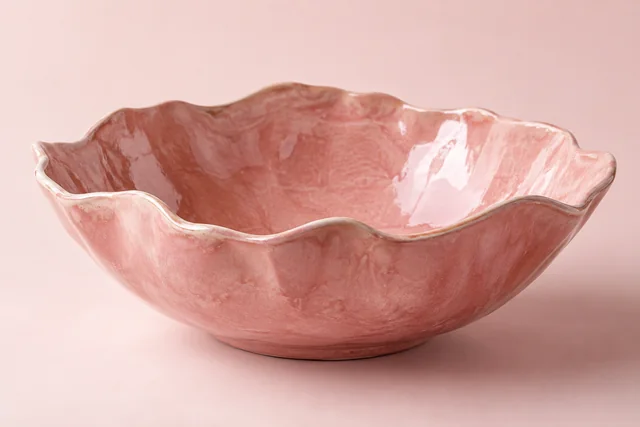
A colour study in glaze and daylight
Glaze colour cannot be understood from a screen alone. Shape, light and the fired surface all influence what we see. A good colour study makes those differences visible rather than trying to hide them.
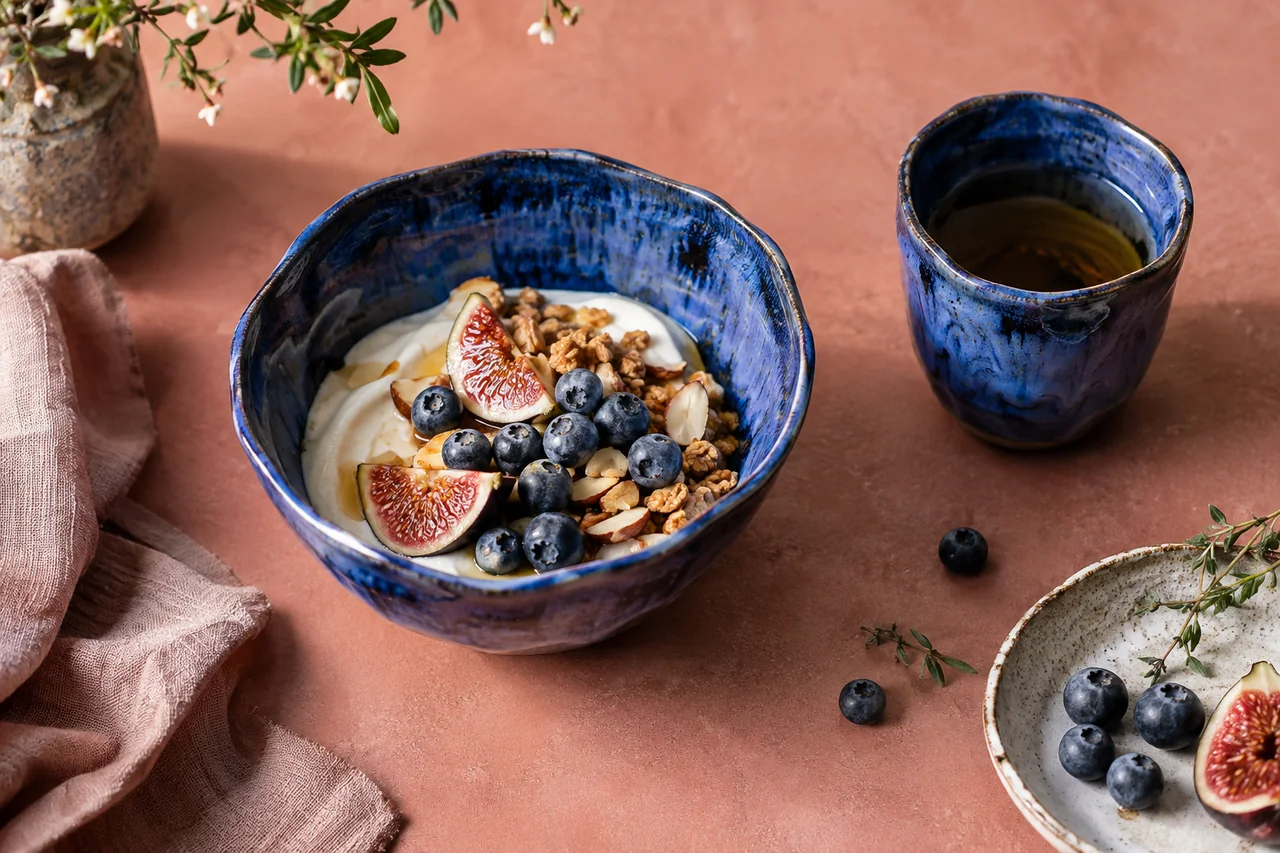
Make a family of tests
Use consistent clay bodies and clearly labelled test pieces. Vary one element at a time according to the studio’s established process. Record the glaze, application and firing information so a promising result can be investigated again. Follow material and kiln safety guidance; a visual experiment still needs a controlled working method.
Move the finished pieces
Look at the fired samples near a window, further inside the room and under the lighting where the object may be used. A curved surface can hold a pool of colour very differently from a flat tile. Photograph the tests for reference, but keep the physical samples when making the final decision.
Accept variation without hiding it
Small differences can be part of a handmade object’s character, but buyers still need a clear description of the expected finish. Show several angles and explain whether variation affects colour, texture or form. Distinguish a planned surface from a functional defect. A studio’s visual language becomes stronger when the making process and the product information tell the same story.